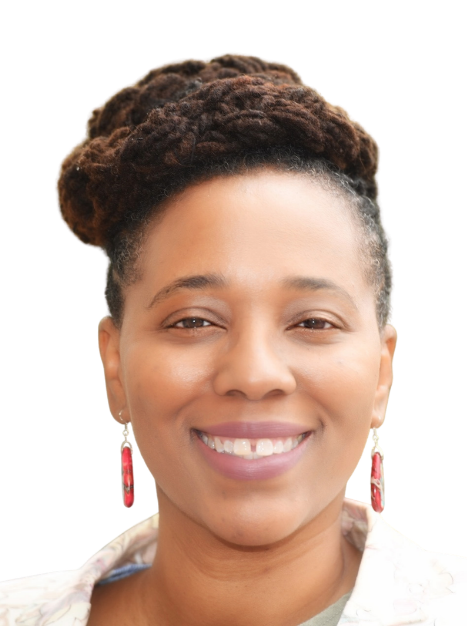
Tenaya Taylor
Educational Background
Dr. Tenaya Taylor, EdD, MSW, LSW, is a practitioner trained at the doctoral and graduate levels in neurocognitive sciences, psychology, and clinical social work. She holds a doctorate in Mind, Brain, Science from Johns Hopkins University and an MSW in Clinical Social Work from Baylor University’s Garland School of Social Work. This background influences how she incorporates mind and brain science into clinical practice, considering the brain, nervous system, thought and behavior patterns, relationships, lived experience, and social factors.
Clinical Experience
Her graduate training included supervised clinical work in outpatient settings; substance use treatment; private practice; service with the Puerto Rican Action Board (PRAB), a human services agency in Central New Jersey; and service with the Robert Wood Johnson University Hospital Violence Intervention Program (RWJ HVIP), which offers trauma-informed mental health counseling, case management, and advocacy to survivors of community violence. Her professional experience includes serving as a Mental Health Clinician and working as a Therapist in group and private practice settings in Texas and New Jersey. Across these roles, she has worked with individuals, couples, and families, including children, adolescents, and adults, navigating concerns related to trauma, emotional regulation, identity, substance use, chronic
stress, and life transitions. Her work with couples has also included betrayal trauma, infidelity, and other intimate partner concerns.
Therapeutic Approach
Her therapeutic style combines a grounded, attentive presence with a focus on the patterns underlying distress. Working from a neuro-affirming, culturally responsive, and anti-oppressive stance, she attends to the whole person: mind, body, and spirit. She integrates evidence-based approaches to fit each client, drawing on Acceptance and Commitment Therapy (ACT), Cognitive Behavioral Therapy (CBT), Solution-Focused Brief Therapy (SFBT), and Cognitive Behavioral Therapy for Nightmares (CBT-N), so that treatment matches the person in front of her rather than a formula. The result is a space that fosters practical skills, self-understanding, and clarity.
Research Experience & Presentations
Taylor, T. (2025, December). Beyond the Algorithm: Combating AI Bias in Mental Health and Substance Use Treatment Through Anti-Oppressive Clinical Practice, Diana R Garland School of Social Work Colloquium Series, Baylor University, Waco, Texas.
Taylor, T. (2025, May). Rewiring the Post-Stroke Brain: Cognitive Neuroscience Approaches
to Recovery and Neuroplasticity. Johns Hopkins University.
Personal Insights
I love spending time with my family, gardening, exercising, and making aromatherapy blends. These are some of the ways I slow down, recharge, and stay connected to myself and the people and things that matter most to me.
Favorite Quote
“I've learned that making a 'living' is not the same thing as 'making a life'.”
― Maya Angelou
What Clients Are Saying
Working with Robyn during my first KAP journey was something I’ll never forget. From the moment we began, I felt genuinely held—seen, accepted, and safe to just be myself. She didn’t try to fix or analyze; instead, she created a space where I could soften, feel, and explore without fear. Her grounded presence made it possible for me to let go of old defenses and meet myself with more honesty and compassion.
There was no pressure to be anything other than what I was in each moment. She created a holding environment that was steady, compassionate, and deeply attuned.
I’m grateful beyond words for the care, intuition, and integrity she brought to the process. Her support helped me remember that I can trust myself—and that I don’t have to do it all alone.
Forever grateful,
E H